
Airport Advertising has become one of the most influential forms of out-of-home advertising, offering brands an opportunity to communicate with travellers in a premium, distraction-free environment. Modern airports are no longer just transit points; they have evolved into high-value commercial spaces where passengers spend meaningful time across multiple stages of their journey.
With the continuous growth of air travel in India, airports provide brands access to a diverse audience that includes business travellers, corporate executives, entrepreneurs, international passengers, frequent flyers, and affluent consumers. The combination of high passenger movement, longer dwell time, and a premium environment makes airport advertising a powerful medium for brands looking to build awareness, trust, and stronger brand recall.
Unlike traditional outdoor advertising, where audiences often have limited interaction with a message, airport advertising benefits from multiple passenger touchpoints. Travellers encounter brands during check-in, security areas, boarding zones, lounges, baggage collection areas, and terminal movement, creating repeated opportunities for communication.
Brands across industries use airport media to strengthen their market presence through various advertising formats, including digital screens, terminal branding, baggage area advertising, lounge branding, experiential campaigns, and other airport media opportunities. These formats allow advertisers to create campaigns that match their communication objectives, audience profile, and marketing strategy.
As airport infrastructure expands across India, airport advertising has become an important part of integrated brand communication. Companies looking to reach premium audiences increasingly consider airport media as a strategic advertising channel that combines visibility, credibility, and engagement in one of India's most valuable advertising environments.
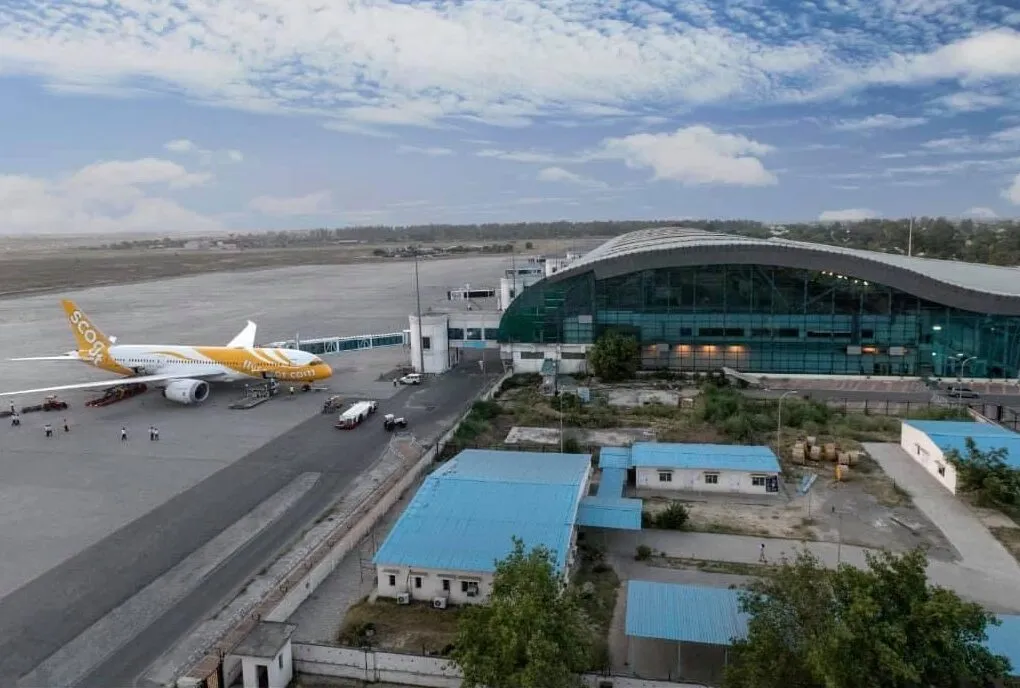
22,39,027
1860
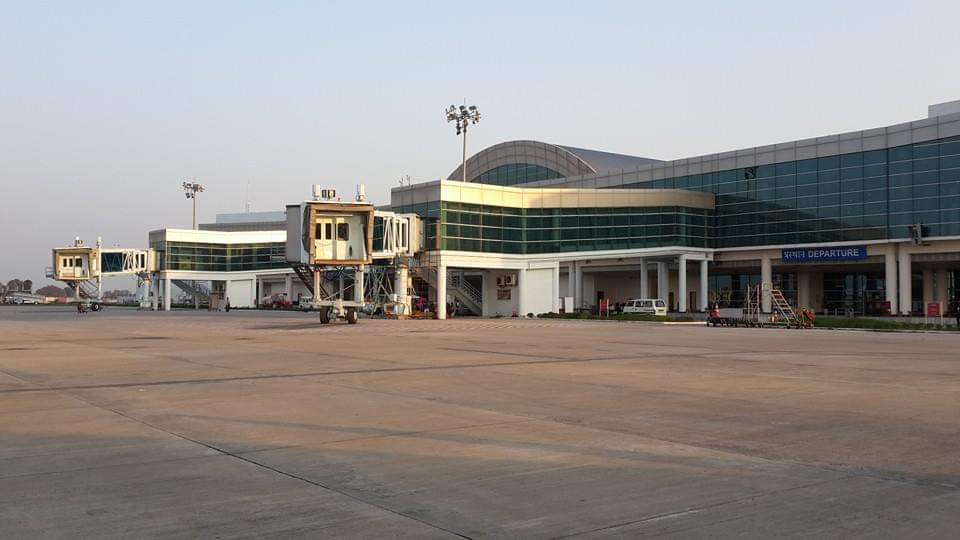
23,35,112
1740
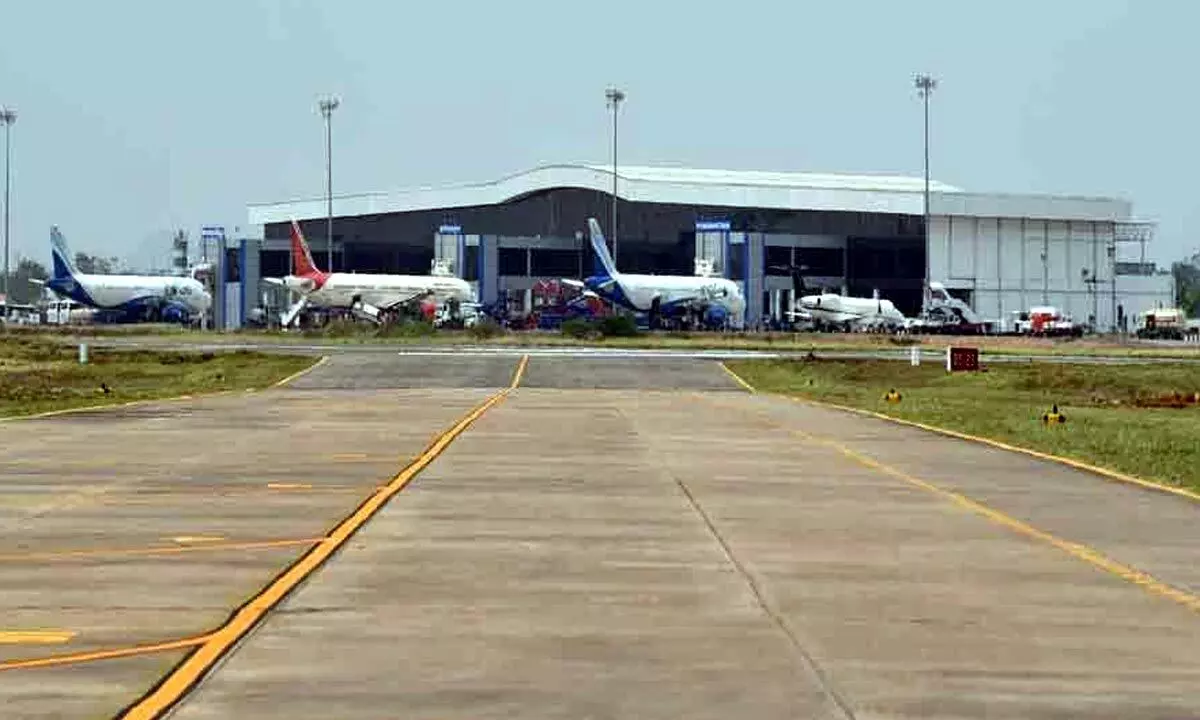
22,28,663
1980
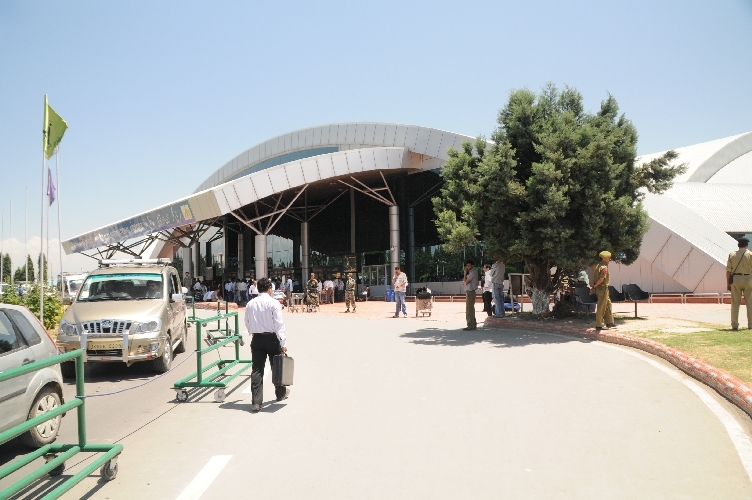
42,74,116
2280
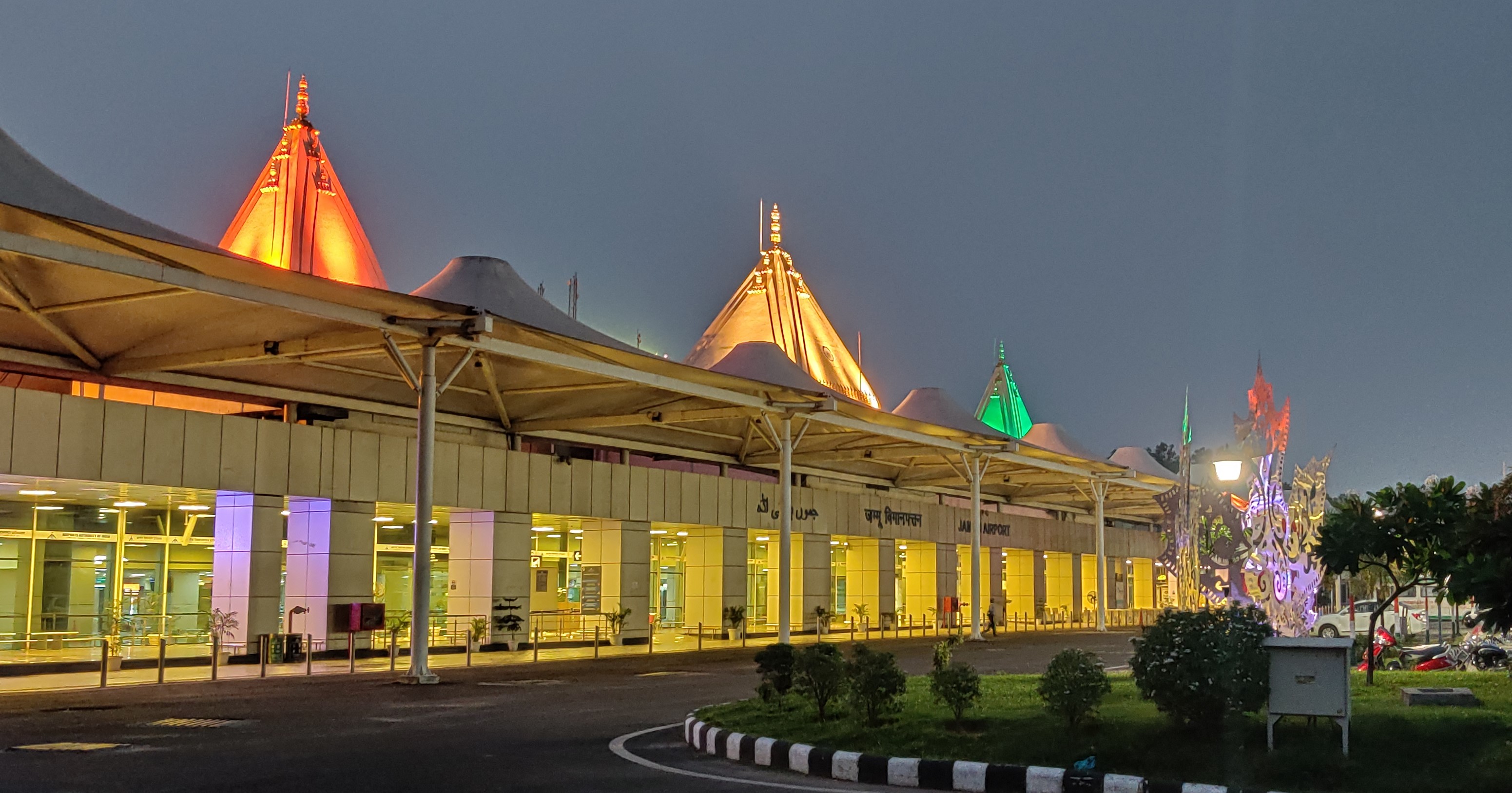
15,38,015
960
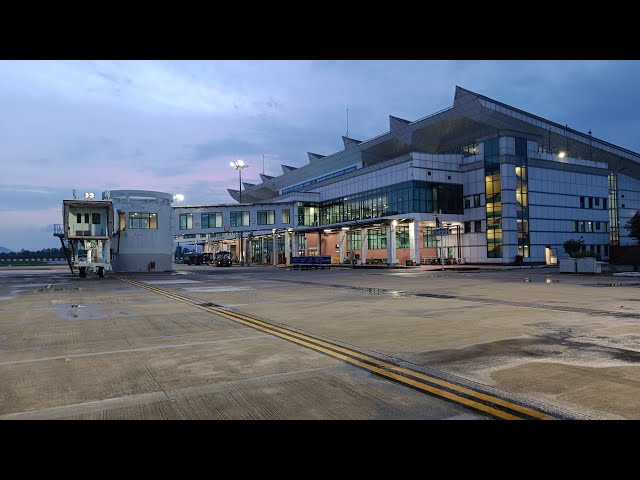
12,11,818
780
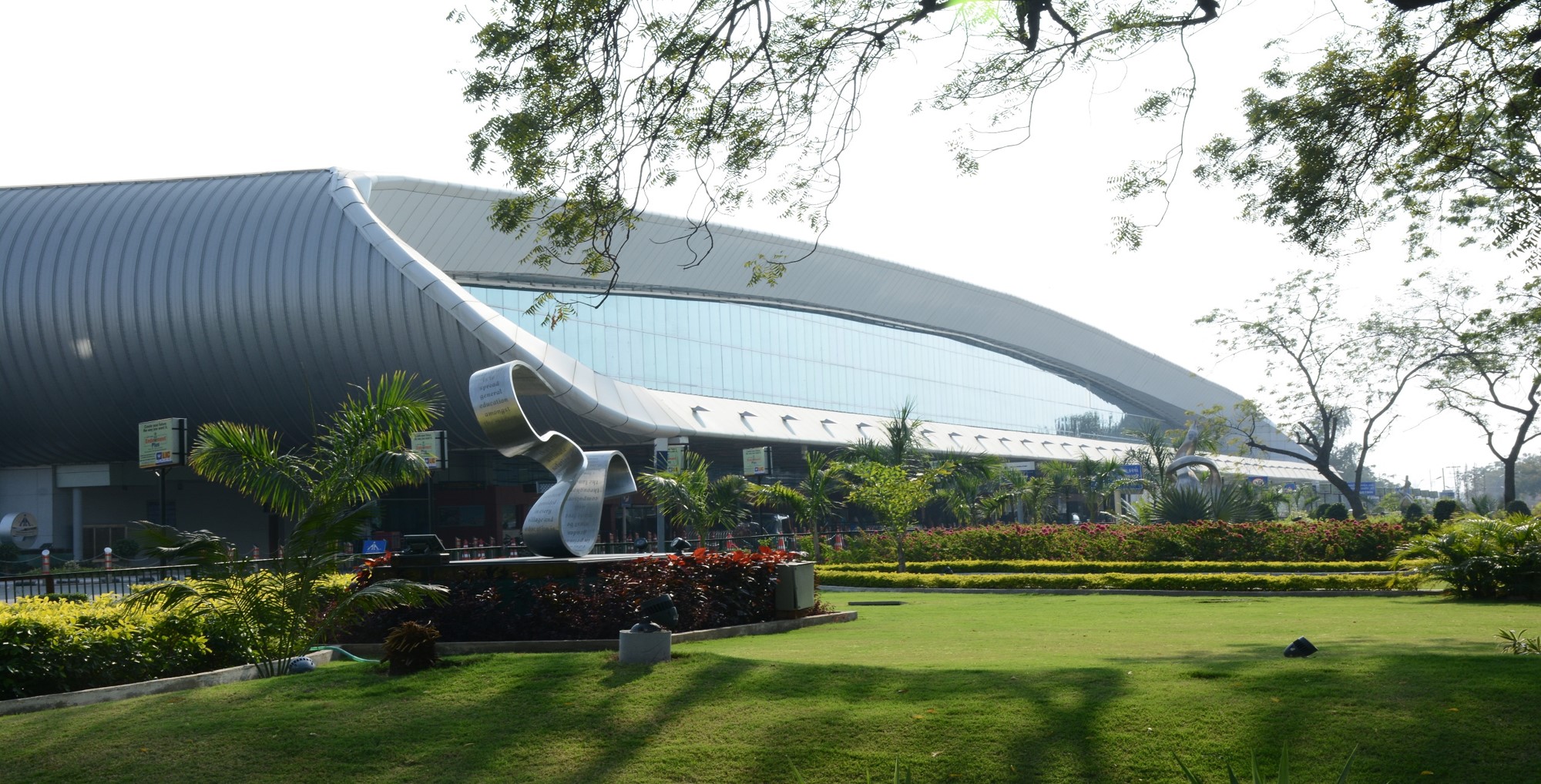
10,09,192
791
11,05,320
1214

7,09,840
560
1,25,76,271
6730
65,63,601
3407
59,75,554
3211
49,10,214
2429
25,12,987
1357
15,12,376
878

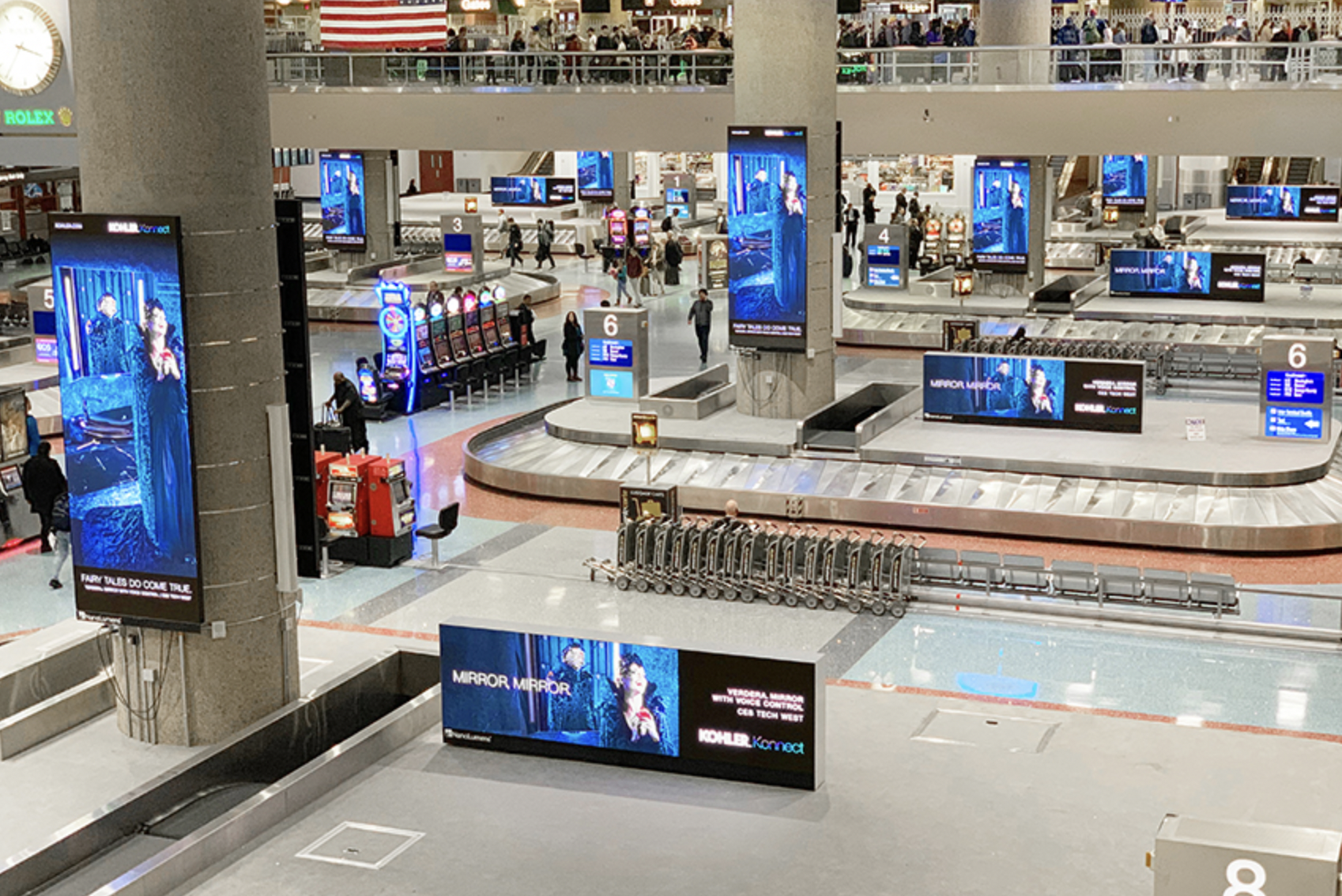
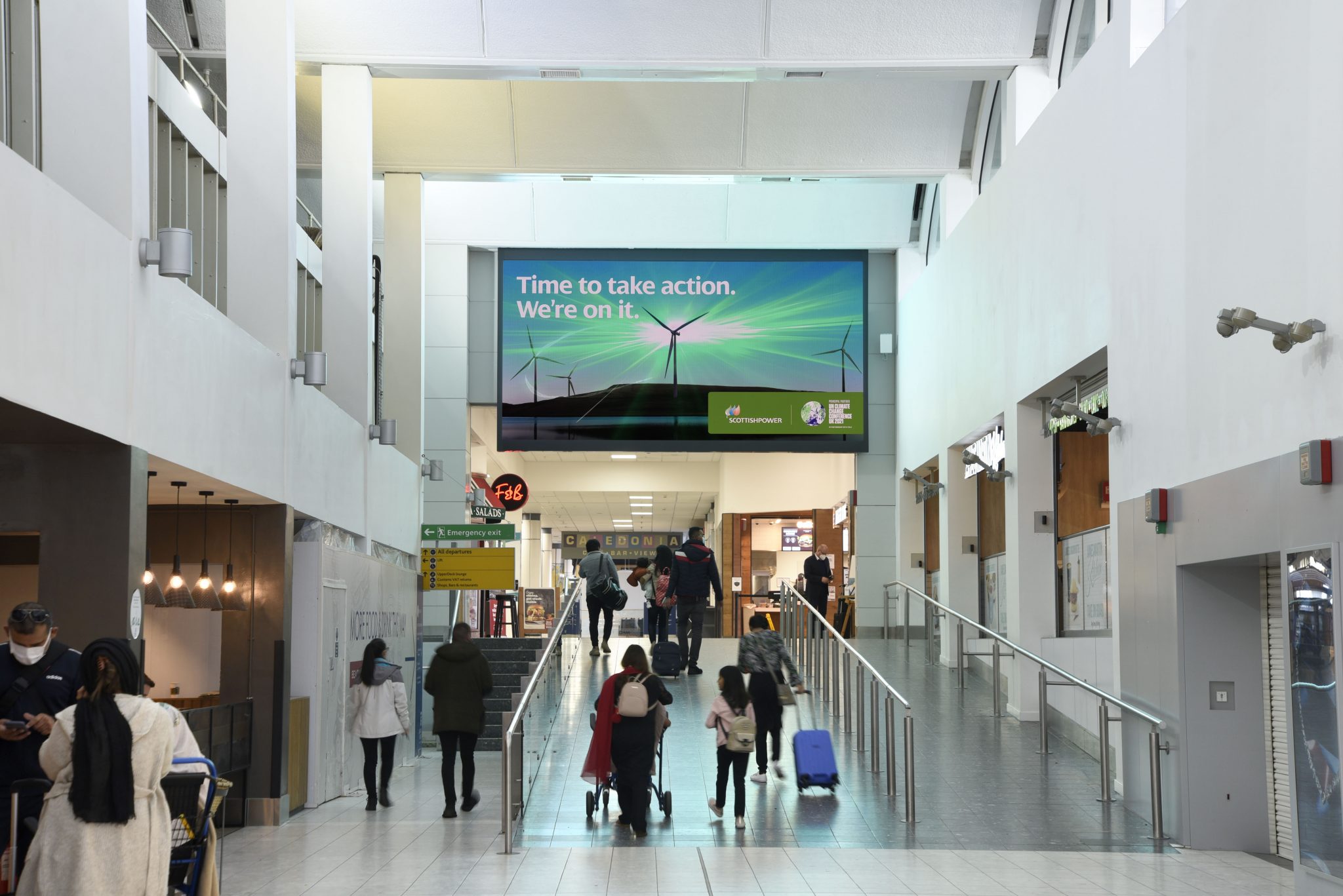
Airport Advertising is a specialised form of out-of-home advertising that enables brands to communicate with passengers within airport terminals and surrounding aviation environments. It includes various media placements designed to reach travellers during different stages of their journey, from arrival at the airport to boarding the aircraft and collecting baggage after landing.
Unlike conventional outdoor advertising that is primarily viewed while people are moving through public spaces, airport advertising takes place in a controlled environment where passengers spend extended periods of time. Check-in areas, security zones, boarding gates, lounges, baggage claim areas, and terminal walkways provide multiple opportunities for brands to engage with audiences in a premium setting.
The unique nature of airports makes them valuable advertising environments. Travellers are often more attentive while waiting for flights, navigating terminals, or completing travel-related activities. This creates opportunities for brands to deliver impactful communication through strategically placed advertising formats that remain visible throughout the passenger journey.
Airport advertising includes a wide range of media options, from traditional static branding to digital and experiential formats. Brands can use large-format displays, digital screens, baggage area advertising, airport trolley branding, lounge advertising, boarding bridge branding, and interactive campaigns to create visibility based on their marketing objectives.
As an important segment of airport media and out-of-home advertising, airport advertising helps brands connect with a premium audience while benefiting from the credibility and high-value environment associated with Aviation Spaces. It is used by companies across industries to strengthen brand awareness, improve recall, and establish a strong presence among domestic and international travellers.
Airport Advertising offers brands a unique opportunity to communicate with audiences in an environment where visibility, attention, and brand perception come together. Unlike many traditional outdoor advertising locations where consumers may only have a few seconds of exposure, airports provide a longer engagement window as passengers spend time during check-in, security procedures, boarding, waiting periods, and baggage collection.
One of the biggest advantages of airport advertising is access to a premium and diverse audience. Airports attract business travellers, corporate executives, entrepreneurs, international passengers, frequent flyers, and high-value consumers who often represent important customer segments for brands across industries. This makes airport media particularly valuable for companies looking to build brand awareness among audiences with strong purchasing power and influence.
The airport environment also contributes to stronger brand credibility. Advertising within a premium aviation space allows brands to associate themselves with quality, trust, and a sophisticated consumer experience. This positioning is especially beneficial for sectors such as banking, automobiles, luxury products, real estate, hospitality, technology, and premium services.
Another important factor is repeated brand exposure. Passengers encounter advertising at multiple points throughout their journey, including terminal entrances, check-in areas, security zones, lounges, boarding areas, and baggage collection sections. This repeated visibility helps improve brand recognition and creates stronger recall compared to advertising formats that rely on a single viewing opportunity.
Airport advertising also provides flexibility in campaign planning. Brands can choose from multiple media formats and locations based on their objectives, whether the goal is mass awareness, premium audience engagement, product promotion, or creating a memorable brand experience.
For organisations seeking to establish a strong presence among travellers, airport advertising provides a combination of audience quality, visibility, and brand impact that makes it one of the most valuable forms of out-of-home advertising in India.
Airport Advertising offers brands multiple ways to create visibility within the airport environment. The right advertising format depends on the campaign objective, target audience, airport location, passenger movement patterns, and the level of engagement a brand wants to achieve.
Unlike traditional outdoor media, airport advertising provides access to different passenger touchpoints throughout the travel journey. Brands can select individual formats or combine multiple media options to create integrated airport branding campaigns that deliver consistent visibility across the terminal environment.
| Airport Advertising Format | Description |
|---|---|
| Digital Airport Advertising | Digital screens and displays across terminals allow brands to deliver dynamic content, videos, and high-impact communication to passengers in high-footfall areas. |
| Terminal Branding | Large-format branding across terminal spaces helps brands create strong visibility through strategic placements in arrival and departure areas. |
| Airport Baggage Area Advertising | Advertising around baggage claim zones provides extended exposure as passengers wait for luggage collection. |
| Airport Lounge Advertising | Premium branding opportunities inside airport lounges help brands connect with business travellers, frequent flyers, and high-value audiences. |
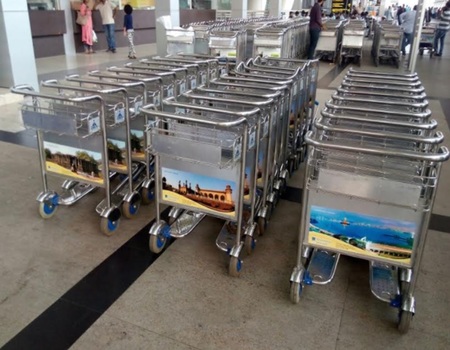
| Airport Trolley Advertising | Branding on passenger luggage trolleys creates repeated visibility as travellers move through different terminal areas. |
| Boarding Bridge Advertising | Branding near boarding bridges provides close engagement with passengers before boarding their flights. |
| Experiential Airport Advertising | Interactive brand experiences, product demonstrations, and passenger engagement activities create deeper connections with travellers. |
Airport advertising formats can be planned individually or combined as part of a broader airport media strategy. For example, a brand may use digital screens for high-frequency awareness, terminal branding for strong visibility, and experiential activities for direct passenger engagement.
The selection of the right advertising format depends on the brand objective, whether the focus is building awareness, launching a product, reaching premium audiences, or creating a memorable brand experience. An experienced Airport Advertising Agency in India can help brands evaluate suitable media options and develop campaigns aligned with their marketing goals.
Airport Advertising provides brands with access to a diverse and valuable audience that includes travellers from different industries, professions, age groups, and economic backgrounds. Unlike many traditional outdoor advertising environments, airports attract audiences who are often highly engaged, mobile, and exposed to brand communication during multiple stages of their journey.
The airport audience includes business travellers, corporate executives, entrepreneurs, and professionals who frequently travel for meetings, conferences, and business activities. This segment is particularly valuable for industries such as banking, financial services, technology, automobiles, real estate, and premium services, where purchasing decisions are often influenced by trust, reputation, and brand positioning.
Airports also attract a significant number of international travellers and frequent flyers who represent premium consumer segments. These audiences are exposed to airport advertising during check-in, boarding, lounge access, and arrival processes, making airport media suitable for brands seeking visibility among high-value customers.
The leisure travel audience is another important segment for airport advertising. Tourists, families, and holiday travellers interact with airport media while travelling for personal purposes, creating opportunities for brands in hospitality, tourism, retail, education, healthcare, and consumer categories.
With India's growing aviation sector, airports are increasingly becoming important touchpoints for reaching audiences across different regions. Brands can select airports and advertising formats based on their target customer profile, campaign objectives, and market priorities. The effectiveness of airport advertising comes from its ability to combine a premium environment with a captive audience. By placing brand communication within the passenger journey, advertisers can create meaningful exposure and stronger brand recall among travellers.
Airport Advertising is used by brands across industries that want to build visibility among premium, high-value, and highly engaged audiences. The airport environment provides an opportunity for companies to communicate with travellers during a period when they are more attentive to their surroundings and receptive to brand messages.
The banking and financial services industry is one of the key sectors using airport advertising to connect with corporate executives, business travellers, entrepreneurs, and premium customers. Banks, insurance companies, investment platforms, and financial brands use airport media to strengthen trust, communicate premium offerings, and enhance brand presence among valuable customer segments.
The automobile industry leverages airport advertising to showcase vehicles and create aspirational brand positioning. Airports provide access to audiences with strong purchasing power, making them suitable locations for automobile manufacturers, luxury vehicle brands, and mobility companies looking to influence potential buyers.
The real estate sector uses airport media to reach investors, corporate professionals, and high-income audiences. Premium residential projects, commercial developments, and destination-based real estate brands often use airport advertising to create awareness among customers who value quality, lifestyle, and investment opportunities.
The hospitality, tourism, and travel industry naturally aligns with airport advertising due to its connection with the travel mindset. Hotels, resorts, tourism boards, airlines, and travel companies use airport branding to influence travellers and promote destinations, experiences, and travel-related services.
Technology companies, education institutions, healthcare brands, luxury brands, retail companies, and consumer businesses also use airport advertising to establish visibility among diverse traveller groups. The premium environment of airports helps these brands strengthen credibility and create meaningful connections with their target audiences.
The effectiveness of airport advertising across industries comes from its ability to combine audience quality, high visibility, and a trusted environment. By selecting the right airport, advertising format, and campaign approach, brands can create communication strategies that align with their business objectives and customer profiles.
Planning an effective Airport Advertising campaign requires a strategic approach that combines the right airport location, suitable advertising formats, audience understanding, creative planning, and campaign execution. Unlike regular outdoor advertising, airport media requires coordination with specific airport environments, passenger movement patterns, and operational requirements.
The first stage of an airport advertising campaign involves understanding the brand objective and identifying the audience the campaign aims to reach. Whether the goal is building brand awareness, launching a product, promoting a service, or strengthening market presence, the campaign strategy should be aligned with the desired outcome.
The selection of the right airport and advertising format plays an important role in campaign effectiveness. Different airports attract different passenger profiles based on location, business importance, tourism activity, and domestic or international connectivity. Similarly, advertising formats such as digital screens, terminal branding, lounge advertising, baggage area branding, or experiential campaigns offer different levels of visibility and engagement.
Creative planning is another important part of the campaign process. Airport advertising requires communication that is visually impactful and easy to understand within the airport environment. The creative approach should consider the placement location, passenger movement, viewing time, and overall brand objective.
Once the media plan and creative approach are finalised, the campaign moves into execution, which includes artwork approvals, production, installation, and coordination with relevant airport requirements. Proper execution ensures that the advertising is displayed as planned and delivers consistent visibility throughout the campaign period.
A well-planned airport advertising campaign combines strategic media selection, effective creative communication, and smooth execution. Working with an experienced Airport Advertising Agency in India helps brands navigate the planning process, identify suitable opportunities, and create campaigns that maximise visibility among travellers.
India's expanding aviation network provides brands with opportunities to reach travellers across major metropolitan cities, business centres, and emerging markets through airport advertising. With increasing passenger movement across domestic and international routes, airports have become important advertising environments for brands looking to establish visibility among diverse traveller segments.
Major airports in India offer advertising opportunities across terminal areas, digital media networks, passenger movement zones, lounges, baggage collection areas, and other high-visibility locations. The selection of an airport depends on the brand's target market, campaign objectives, audience profile, and geographical priorities.
Some of the key airports where brands can explore airport advertising opportunities include:
| Airport | City | Key Market Opportunity |
|---|---|---|
| Indira Gandhi International Airport | Delhi NCR | Access to corporate travellers, international passengers, government and business audiences |
| Chhatrapati Shivaji Maharaj International Airport | Mumbai | Strong presence among financial, corporate, and premium consumer segments |
| Kempegowda International Airport | Bengaluru | Reach technology professionals, entrepreneurs, and business travellers |
| Rajiv Gandhi International Airport | Hyderabad | Connect with technology, corporate, and domestic traveller audiences |
| Chennai International Airport | Chennai | Access industrial, corporate, and international passenger segments |
| Netaji Subhas Chandra Bose International Airport | Kolkata | Reach eastern India's business and travel audience |
| Pune Airport | Pune | Strong opportunity among technology professionals, students, and corporate travellers |
| Goa International Airport | Goa | Suitable for tourism, hospitality, and leisure-focused campaigns |
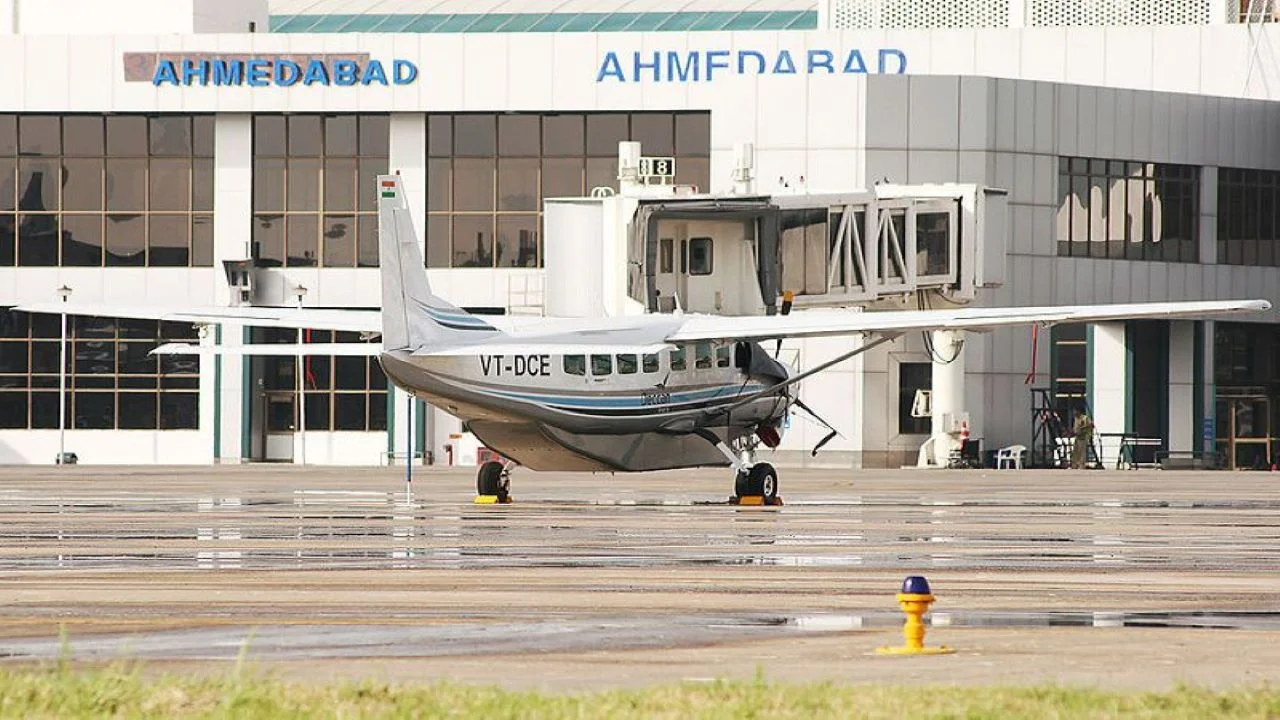
| Ahmedabad International Airport | Ahmedabad | Access business owners, entrepreneurs, and regional markets |
| Jaipur International Airport | Jaipur | Connect with tourism and regional business audiences |
Brands can plan campaigns across individual airports or multiple locations depending on their market presence and communication objectives. While major airports provide wider exposure among premium traveller segments, regional airports can help brands establish stronger visibility within specific markets.
Dedicated airport-wise advertising pages provide detailed information about advertising opportunities, audience profiles, and campaign planning for specific locations. This allows brands to evaluate airports based on relevance rather than only passenger volume.
Planning and executing an airport advertising campaign requires specialised knowledge of airport media environments, advertising formats, passenger movement patterns, and operational requirements. An experienced Airport Advertising Agency in India helps brands identify suitable opportunities, develop effective media strategies, and manage the complete campaign process from planning to execution.
Unlike traditional outdoor advertising, airport media involves coordination with multiple stakeholders, location-specific requirements, and strict execution timelines. A specialised agency understands these requirements and helps brands select the right airports, advertising formats, and placements based on their target audience and marketing objectives.
One of the key advantages of working with an airport advertising agency is access to a wider range of media opportunities. From digital airport advertising and terminal branding to lounge advertising, baggage area branding, trolley advertising, and experiential campaigns, an agency helps brands evaluate different options and select solutions that align with their communication goals.
An experienced agency also supports the complete campaign lifecycle, including media planning, airport selection, creative coordination, production requirements, installation, and campaign monitoring. This ensures that the advertising campaign is executed smoothly and maintains consistent visibility throughout the planned duration.
For brands planning campaigns across multiple airports, an airport advertising agency provides valuable expertise in managing different locations, formats, and timelines. The agency's understanding of airport environments and audience profiles helps brands make informed decisions and maximise the impact of their airport media investment.
Choosing the right Airport Advertising Agency allows brands to move beyond simply booking advertising space and create strategic campaigns that improve visibility, strengthen brand positioning, and connect effectively with travellers across India's growing aviation network.
Airport Advertising is a form of out-of-home advertising that allows brands to communicate with passengers within airport terminals and aviation environments. It includes various advertising formats such as digital screens, terminal branding, lounge advertising, baggage area branding, trolley advertising, and experiential campaigns designed to reach travellers throughout their airport journey.
Airport Advertising provides access to a premium audience in a controlled environment where passengers spend significant time during check-in, security checks, boarding, and baggage collection. The combination of high visibility, longer dwell time, and repeated exposure helps brands improve awareness and strengthen brand recall.
Brands can choose from multiple airport advertising formats depending on their campaign objectives. These include digital airport advertising, terminal branding, baggage belt advertising, airport lounge advertising, boarding bridge branding, airport trolley advertising, and experiential brand activation campaigns.
The cost of Airport Advertising depends on factors such as the selected airport, advertising format, campaign duration, location within the airport, audience profile, and campaign requirements. Detailed pricing varies by media format and inventory availability.
Airport advertising opportunities are available across major airports in India, including Delhi, Mumbai, Bengaluru, Hyderabad, Chennai, Kolkata, Pune, Goa, Ahmedabad, Jaipur, Lucknow, and other important aviation hubs. Availability depends on the selected format and campaign requirements.
Airport Advertising is used by brands across industries including banking and financial services, automobiles, real estate, hospitality, tourism, technology, healthcare, education, luxury, retail, and consumer brands. The premium airport environment makes it suitable for businesses targeting valuable traveller segments.
The right Airport Advertising Agency should have experience in airport media planning, understanding of available advertising formats, access to genuine airport opportunities, and the capability to manage campaign execution from planning to completion.
Yes, brands can plan airport advertising campaigns across multiple airports to create wider visibility across different cities and traveller segments. Multi-airport campaigns are suitable for companies looking to build stronger national presence and consistent brand communication.
Airport Advertising takes place in a premium, controlled environment where audiences typically spend more time engaging with their surroundings. Unlike traditional outdoor advertising that often depends on brief visibility, airport media provides multiple touchpoints throughout the passenger journey.
An Airport Advertising Agency helps brands with media planning, airport selection, format recommendations, creative coordination, production, installation, and campaign management. This ensures that brands select suitable opportunities and execute campaigns effectively.
Planning an Airport Advertising campaign requires a clear understanding of the available media opportunities, airport locations, advertising formats, campaign duration, and execution requirements. Since airport media availability varies depending on location, inventory, and campaign objectives, brands should evaluate options based on their specific marketing goals and target audience.
Whether a brand is looking to create visibility at a single airport or planning a multi-location airport branding campaign, the right media strategy helps identify suitable advertising formats and locations to maximise campaign impact. An experienced Airport Advertising Agency in India can assist brands in selecting appropriate media options, coordinating campaign execution, and managing the complete advertising process.
For brands exploring airport advertising opportunities, campaign planning can include:
Airport-wise media availability and advertising options, selection of suitable airport formats, campaign duration planning, creative and branding requirements, production coordination, installation support, and customised campaign proposals.
With access to major airport advertising opportunities across India, brands can create impactful campaigns that connect with business travellers, corporate audiences, international passengers, and premium consumers in one of the country's most influential advertising environments. To discuss your Airport Advertising Campaign, advertising opportunities, media formats, and customised requirements, connect with our team for detailed information and campaign planning support.
Email: media@aviationspaces.com
Phone: +91 98670 73977